
Regenerative Agriculture Moves from Niche to Norm in SA
High input prices and climate pressures accelerate adoption of regenerative systems.
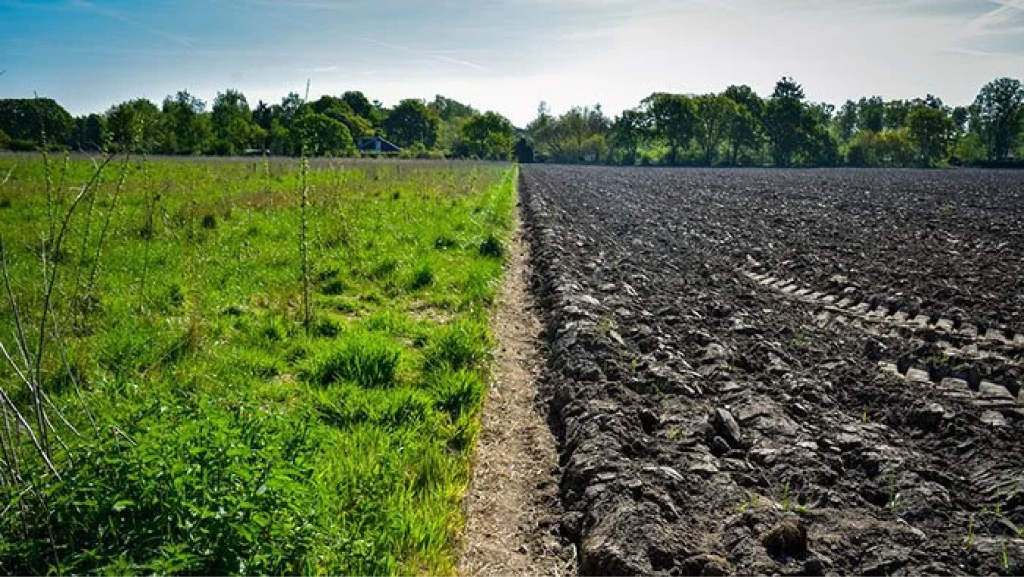
We’re not farming against nature — we’re farming with it.
Regenerative agriculture is gaining widespread traction across South Africa as farmers adapt to climate volatility and rising input costs. Practices such as cover cropping, crop rotation, minimal tillage and integrated livestock are increasingly viewed as practical tools rather than ideological choices.
Farmers adopting regenerative systems report improved soil structure, better water retention and more consistent yields during dry seasons. Reduced reliance on synthetic fertilisers and chemicals also lowers operating costs, an important advantage in an environment of ongoing
price inflation.
Market forces are reinforcing this shift. Export buyers increasingly prefer produce grown under verified sustainable systems, while carbon credit schemes reward farmers for regenerative practices. This combination of cost savings and market access is accelerating adoption across grain, livestock and horticulture sectors.
Transitioning systems does require planning and patience. Yield benefits often appear after several seasons, and farmers must adapt equipment and management strategies. However, growing peer networks, extension support and on-farm trials are reducing risk.
By 2026, regenerative agriculture is no longer a niche movement in South Africa, but a strategic response to economic and environmental pressures shaping the
future of farming.