
Aquaculture in the Desert: Controlled Environment Tilapia Production
Closed-loop recirculating systems use geothermal groundwater to build inland fish farms in the Northern Cape.
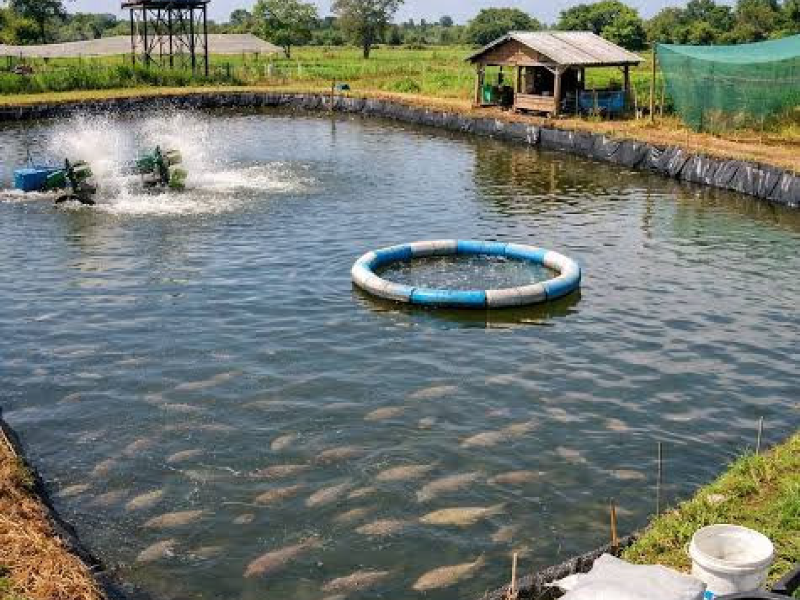
Arid regions are emerging as unexpected frontiers for high-efficiency inland protein generation.
Water-scarce landscapes are rarely associated with intensive fish farming, yet the arid expanses of the Northern Cape are witnessing the growth of high-tech inland aquaculture. Utilising deep geothermal groundwater sources that maintain constant warm temperatures, commercial ventures have constructed closed-loop Recirculating Aquaculture Systems (RAS) to produce Nile Tilapia for domestic fresh fish markets.
These facility designs recycle over ninety-five percent of their operational water through biological filtration, mechanical solids removal, and oxygenation units. By controlling water chemistry, lighting, and water temperature inside insulated structures, growers achieve accelerated growth cycles and high feed-conversion ratios year-round. The nutrient-rich wastewater harvested during filter backwashing is directed onto adjacent olive groves and halophyte forage crops, creating a zero-waste integrated production cycle. This desert aquaculture model bypasses coastal ocean risks like harmful algal blooms while bringing fresh, affordable protein sources closer to inland population centres, creating skilled technical employment in underdeveloped rural communities.