
Citrus Sails East
Tariff reductions and new shipping agreements open lucrative Asian frontiers for local growers.
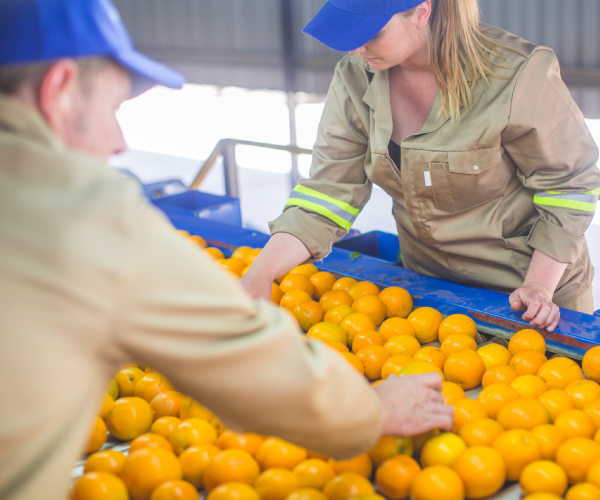
Broadening our market presence in Asia provides an essential commercial release valve for expanding citrus volumes.
South Africa’s citrus industry is aggressively capitalising on a series of significant breakthroughs in bilateral trade negotiations and innovative logistical arrangements to actively diversify its global export footprint away from historical over-dependencies. Recent landmark bilateral agreements, coupled with strategic tariff concessions, have opened unprecedented access to rapidly expanding consumer markets across China, India, and various high-growth nations within Southeast Asia.
To fully exploit these lucrative opportunities throughout the 2026 shipping season, local citrus growers, packers, and exporters are meticulously aligning their orchard management and post-harvest production lines with highly stringent international phytosanitary protocols. Specialized cold-treatment regimes—essential for mitigating the risk of pests like the False Codling Moth and fruit fly—are being strictly managed and monitored in real-time during marine transit. This ensures absolute compliance with destination country regulations while carefully preserving the cold chain so fruit quality, firmness, and shelf-life are not compromised.
On the logistics front, where traditional infrastructure bottlenecks have historically posed severe risks, the industry has implemented a highly proactive workaround. Exporters are increasingly utilising dedicated refrigerated (“reefer”) vessels departing directly from the Port of Durban, as well as leveraging specialised private terminals. This targeted bypass strategy allows shipments to route around the worst of the standard port congestion and equipment delays. By taking control of the supply chain mechanics, the industry ensures that premium valencia oranges, lemons, and soft citrus varieties arrive at Asian destination ports in peak cosmetic and structural condition.
Agribusiness analysts point out that these eastern markets offer exceptionally strong price points and robust consumer demand. This premium valuation provides a crucial financial buffer for South African growers, helping them absorb the dual shocks of rising input costs—such as fuel, fertiliser, and shipping freights—and increasingly restrictive, highly protectionist regulations within the traditional European Union market.
As the intensive 2026 shipping season draws to a close, the financial success of this eastward pivot is already driving a new wave of capital expenditure. Substantial investment is flowing directly into the expansion of regional packing facilities, advanced automated sorting technologies, and localised cold-storage infrastructure. These proactive capacity upgrades are specifically designed to support the anticipated volume increases projected through 2027 and beyond, ultimately securing the long-term economic sustainability and job creation potential of the local agricultural sector.