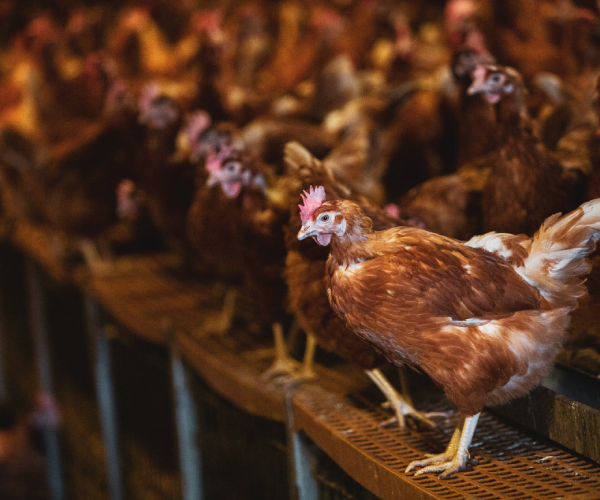
The Poultry Resurrection
Strict biosecurity and targeted vaccination rollouts drive the recovery of the local poultry sector.
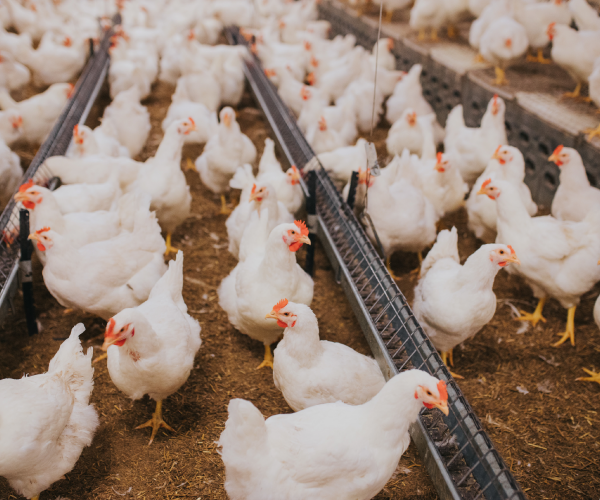
Rebuilding the poultry flock demands an uncompromising approach to biosecurity and synchronised
regional health management
South Africa’s poultry industry is executing a powerful commercial recovery following the devastating avian influenza outbreaks of recent years.
In mid-2026, the sector is experiencing a stabilisation in layer and broiler numbers, driven by aggressive reinvestments and refined biosecurity frameworks.
Producers have completely overhauled facility designs, abandoning legacy, open-air structures in favor of state-of-the-art enclosed housing systems. These modern facilities incorporate advanced climate control, positive-pressure air filtration, and strict multi-stage vehicle decontamination protocols at all entry points to create an airtight defense against pathogens. A key driver of this operational turnaround is the structured, nationwide rollout of targeted vaccination programmes, which are being executed under strict regulatory oversight from animal health authorities. This highly coordinated approach has successfully mitigated disease spread, significantly reduced flock mortality rates, and effectively restored investor confidence across the entire poultry value chain.
Supporting this biosecurity push, feed manufacturers are playing a critical role by formulating specialised, nutrient-dense rations. These feeds are heavily enriched with prebiotics, probiotics, and organic acids specifically designed to optimize avian gut health and boost natural immunity, creating a vital secondary line of defense against disease.
Despite the exceptionally high capital expenditure required to upgrade legacy housing and install these technical systems, the financial outlook for late 2026 remains highly positive. Market indicators show that domestic egg and chicken meat production is rapidly returning to stable, pre-crisis levels, which is helping to ease previous inflationary pressures on consumer prices.
Importantly, this recovery is also directly benefiting small-scale contract growers. Major industry integrators have stepped up to provide crucial technical training, veterinary support, and targeted financial assistance, ensuring these smaller operations can successfully align with modern biosecurity standards without being priced out of the market. Moving into 2027, the industry is pivoting from crisis management to long-term sustainability, with a core focus on maintaining stable retail pricing, optimising supply chain logistics, and permanently protecting domestic food security against future external
biological shocks.