
Off-Grid Momentum: Farms Turn to Solar & Backup Systems
Power instability pushes agriculture toward self-generated energy.
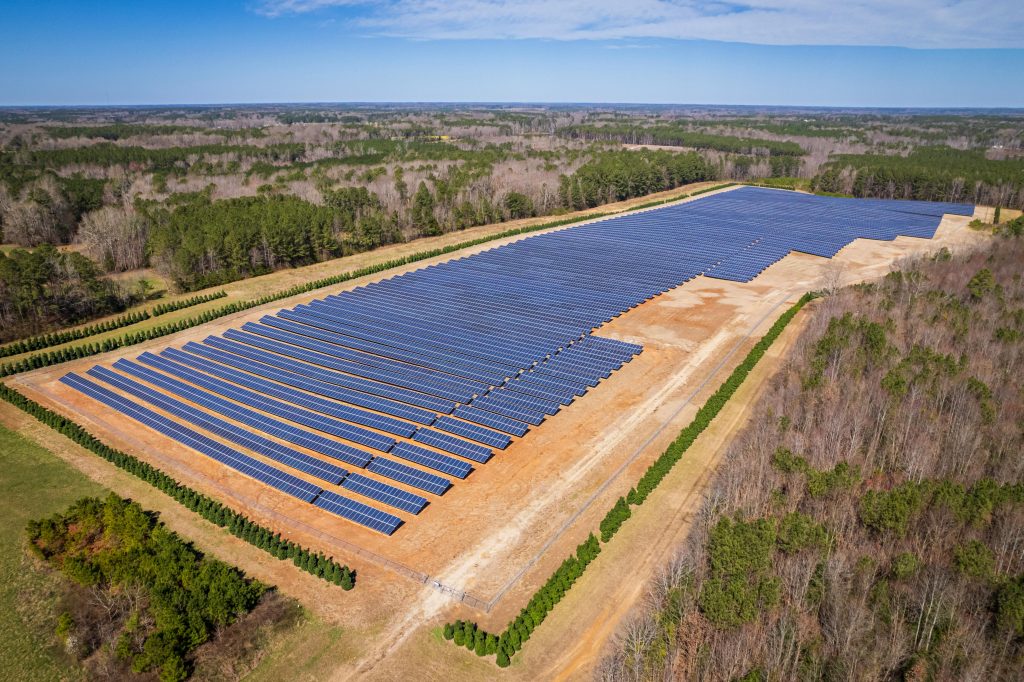
When the grid goes down, the crop cannot wait.
Load-shedding remains a serious threat to South African agriculture, disrupting irrigation schedules, cold-chain stability and on-farm processing. Frequent Stage 4–6 outages have forced producers to rethink every part of their operations, from milking routines to packhouse workflows. As a result, more farms are installing solar, inverters, battery banks and hybrid generator systems to maintain reliability and protect time-sensitive crops and livestock.
Solar-powered pumps have become particularly popular, cutting diesel use and keeping irrigation running during outages — a critical advantage for fruit, nut and vegetable producers in hot regions. Many farmers are also pairing pumps with smart controllers and moisture sensors to ensure water application remains efficient even when power supply is unstable. Larger growers are investing in containerised solar-battery systems to stabilise packhouses, cold rooms and grading lines, reducing product losses and helping them meet strict export requirements.
New financing models, including power-purchase agreements and lease-to-own solar packages, are also making renewable installations more accessible to mid-sized operations. Meanwhile, the launch of private energy-trading platforms in 2025 is accelerating the transition, allowing businesses — including farms — to purchase green power directly from independent producers. This shift is creating new opportunities for rural cooperatives to generate and trade surplus renewable energy.
While initial installation costs remain high, the long-term savings, improved uptime and protection against rising tariffs are pushing rapid adoption across the sector. Farmers increasingly view energy resilience as part of their core risk-management strategy rather than an optional upgrade.
In 2026, energy independence will no longer be a luxury — it will be a necessity for farms that rely on continuous operations, stable refrigeration and reliable irrigation. Those who invest early will be far better positioned to withstand both load-shedding and future energy price shocks.
Beyond day-to-day operations, energy reliability is now directly influencing long-term investment decisions in orchards, livestock housing, greenhouses and high-value processing facilities. Export-focused producers, especially in citrus, berries and table grapes, are warning that inconsistent power threatens shelf life and market access — a single cold-chain break can collapse an entire shipment’s value. As a result, many packhouses are building fully integrated energy hubs combining solar, batteries, generators and real-time monitoring software.
There is also growing collaboration between neighbouring farms, who are forming micro-grids to share excess capacity and stabilise supply across entire production zones. As these systems mature, energy resilience is expected to become one of the strongest competitiveness factors in South African agriculture.