
Autonomous Weed Laser Technologies: Ultra-Precision Crop Care in Field Vegetables
High-speed computer vision and targeted thermal photon bursts replace chemical herbicides in row crops.
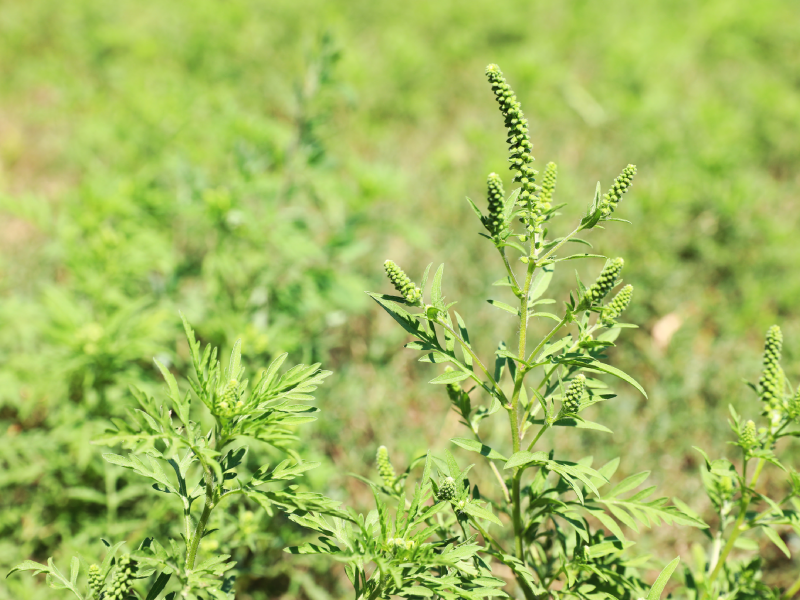
Replacing chemical weed control with targeted light bursts eliminates soil chemical buildup and herbicide resistance.
Vegetable growers across the Free State and KwaZulu-Natal Midlands are adopting a non-chemical breakthrough in weed management: high-speed autonomous laser weeders. As weeds build resistance to common chemical active ingredients and international buyers enforce stricter Maximum Residue Limits, commercial field vegetable producers are deploying tractor-mounted laser units that eliminate unwanted plants with pinpoint millimeter accuracy.
Equipped with advanced artificial intelligence and high-resolution cameras, these autonomous systems scan crop rows at field speeds, distinguishing between crop seedlings and emerging weed species in milliseconds. Once identified, high-powered thermal laser pulses hit the meristem or growing point of the weed, instantly vaporizing the plant tissue without disturbing the surrounding soil or damaging crop roots. Operating continuously day and night, a single multi-laser rig can process several hectares per hour, clearing field rows without tilling the soil or leaving chemical residues.
The practical advantages extend far beyond eliminating synthetic herbicide purchases. Because laser weed control avoids turning over topsoil, weed seeds buried beneath the surface remain dormant rather than being brought to the surface to germinate. Soil moisture remains trapped under the undisturbed surface crust, preserving vital moisture during dry establishment periods. Furthermore, row crops experience zero chemical setback, leading to uniform plant growth and earlier harvest readiness. As hardware costs decrease and AI processing speeds accelerate, laser weeding is shifting from advanced prototype status to standard machinery equipment across South Africa’s high-value horticultural sectors.