
Powering the Modern Farm.
South African farmers invest heavily in hybrid solar systems to protect sensitive value chains.
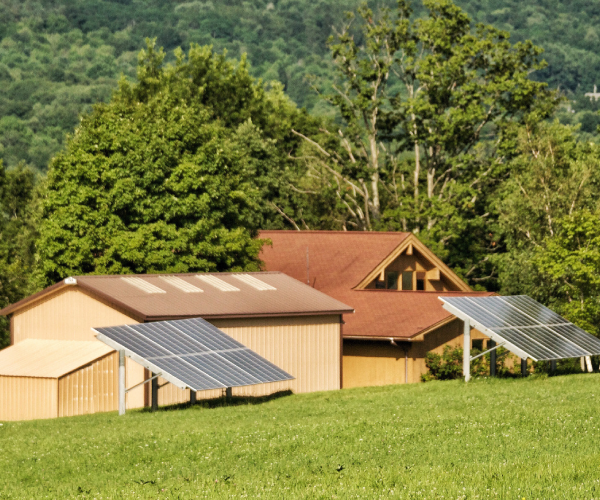
Decentralised energy systems are transforming farms from vulnerable endpoints into self-sustaining power hubs.
While national grid stability has shown relative improvement, the rising cost of municipal electricity remains a major burden for South African agriculture. Irrigation-reliant operations, cold-storage facilities, and intensive poultry houses require uninterrupted power to sustain production quality.
To mitigate these overheads, a growing number of agribusinesses are investing in on-farm hybrid solar-diesel microgrids. These systems combine photovoltaic arrays with intelligent battery storage and backup generators, managed by automated software that balances consumption patterns.
The initial capital expenditure is significant, often requiring tailored asset finance, but the return on investment is clear. By reducing reliance on the national grid, farmers can lock in predictable energy costs for the next decade. Furthermore, energy independence protects post-harvest value chains, preventing catastrophic losses in cooling facilities during localised distribution failures. As financial institutions expand green finance incentives, the transition to renewable energy is accelerating ahead of the 2027 production cycle. This shift not only builds operational resilience but also aligns local producers with international sustainability standards, enhancing their appeal to eco-conscious global retailers.