
Solar Beyond the Subsidies
High energy costs drive large-scale agricultural enterprises into permanent grid independence.
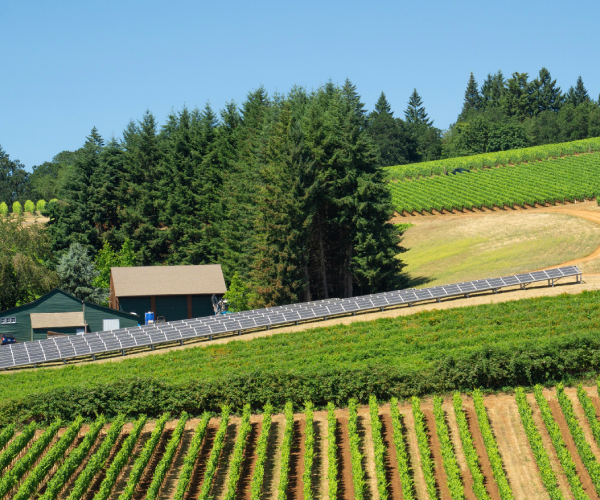
Total energy self-reliance is fast becoming a baseline operational requirement for commercial farming profitability.
Commercial farms across South Africa are moving far beyond basic backup generation, investing instead in fully integrated, utility-scale hybrid energy systems.
Driven by escalating electricity tariffs and the need for absolute operational consistency, large-scale irrigation and agro-processing businesses are establishing independent microgrids. These advanced configurations combine extensive ground-mounted solar arrays with large-scale battery energy storage systems and specialised biogas generators. By utilising agricultural waste products, such as livestock manure and fruit pulp, farmers are generating stable baseload power to complement daytime solar harvesting. The financial justification for these multi-million ZAR investments has shifted from emergency risk mitigation to pure cost optimisation. Agribusinesses report that independent energy installations pay for themselves within five years by eliminating peak demand charges and production stoppages. Financial institutions have responded by introducing specialised asset-finance products tailored to agricultural renewable energy infrastructure. Looking into late 2026 and early 2027, the trend is expanding to medium-scale enterprises through shared solar-leasing models. This massive private investment is structurally transforming the agricultural landscape, ensuring that food production remains resilient.