
South African Agriculture Faces a Harsh Employment Winter
The Numbers Behind the Loss
According to Statistics South Africa, the decline was most pronounced in horticulture and livestock operations, where rising costs and mechanisation are reducing the need for manual labour. In provinces like Mpumalanga and KwaZulu-Natal, farmworkers have felt the squeeze as employers adopt machinery that can replace dozens of hands.
Mechanisation: Progress or Pitfall?
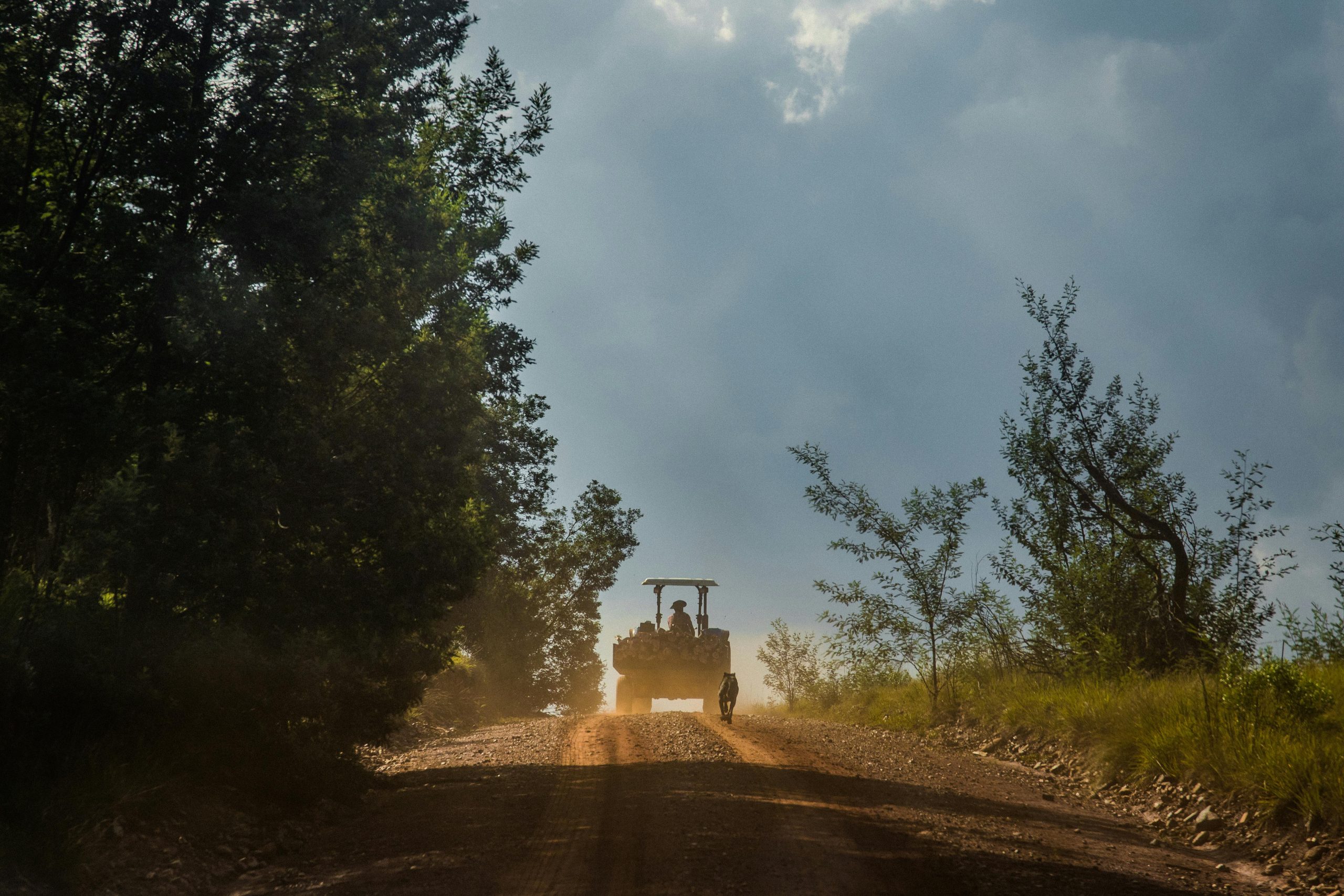
Technology is transforming agriculture at an unprecedented pace. From autonomous tractors to drone monitoring, the tools promise efficiency and higher yields. But for workers like Sipho M., a retrenched farmhand in Mpumalanga, progress feels more like exclusion. “The machines don’t get tired, they don’t need lunch breaks — but we need to feed our families,” he says.
Beyond the Farm Gates
The ripple effects are severe. Local economies that depend on farm salaries — from rural spaza shops to school transport operators — are already reporting reduced business. NGOs warn that food insecurity is creeping into agricultural communities themselves.
Searching for Solutions
Industry bodies like Agbiz and Grain SA are calling for investment in agro-processing, which could create thousands of jobs off the farm. There is also a push to train rural youth in agri-tech, ensuring they can participate in the industry’s digital future rather than being left behind.
For now, though, the paradox remains: bountiful harvests and shrinking workforces. Unless addressed, the gap between productivity and people will widen — leaving farming towns to pay the price.